Do Governments Earn Money On Price Floors
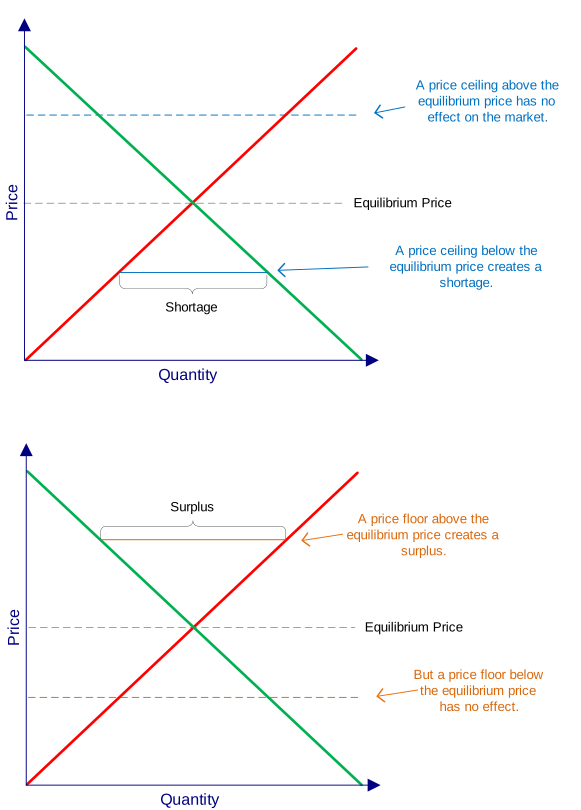
Price Controls Price Floors And Ceilings Illustrated

Reading Inefficiency Of Price Floors And Price Ceilings Microeconomics
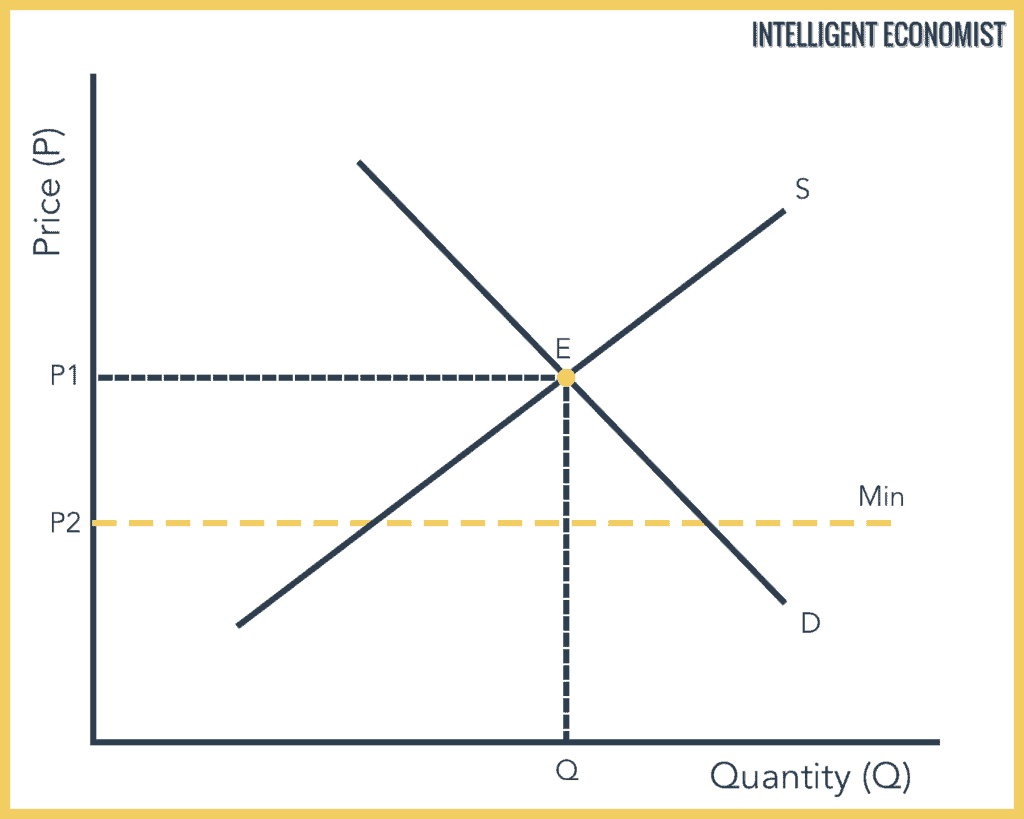
Price Floor Intelligent Economist
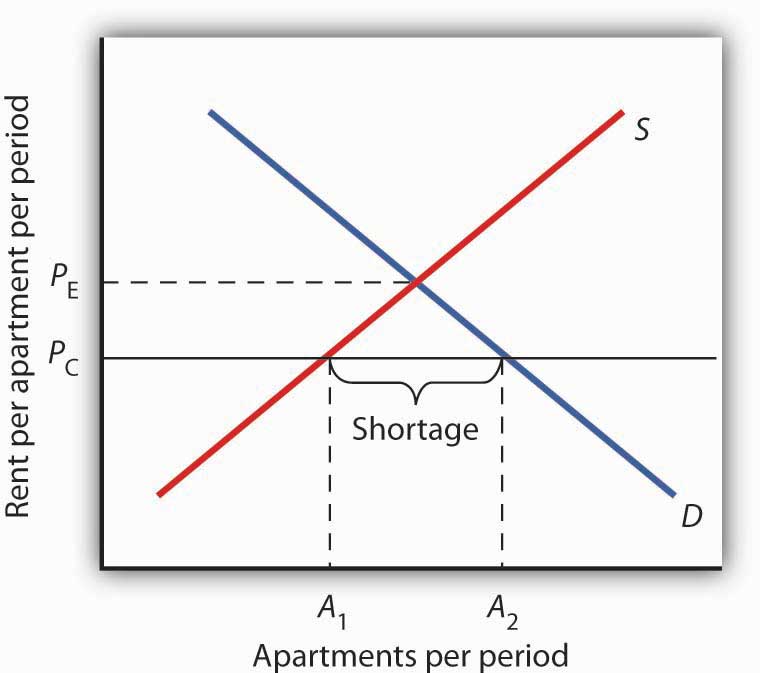
Government Intervention In Market Prices Price Floors And Price Ceilings
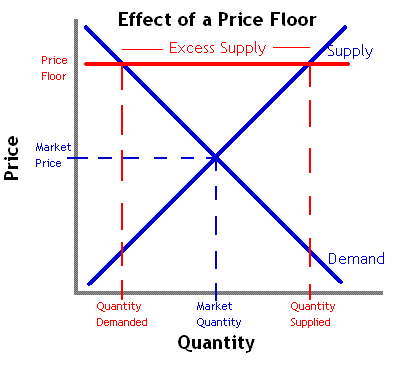
Government Intervention And Disequilibrium Boundless Economics

Pin On Ap Microeconomics Review

Figure 4 8 price floors in wheat markets shows the market for wheat.
Do governments earn money on price floors. Why are price floors implemented by governments. Price floors are used by the government to prevent prices from being too low. For a price floor to be effective the minimum price has to be higher than the equilibrium price. A price floor is the lowest legal price a commodity can be sold at.
Governments usually set up a price floor in order to ensure that the market price of a commodity does not fall below a level that would threaten the financial existence of producers of the commodity. A price floor that is set above the equilibrium price creates a surplus. For example many governments intervene by establishing price floors to ensure that farmers make enough money by guaranteeing a minimum price that their goods can be sold for. What is the difference between price ceiling and price floor.
The most common price floor is the minimum wage the minimum price that can be payed for labor. Notice that p f is above the equilibrium price of p e. The most common example of a price floor is the minimum wage. A price floor must be higher than the equilibrium price in order to be effective.
Types of price floors. Suppose the government sets the price of wheat at p f. It is a kind of political pressure from suppliers to the government to keep the price high. Price floors are also used often in agriculture to try to protect farmers.
The equilibrium price commonly called the market price is the price where economic forces such as supply and demand are balanced and in the absence of external.
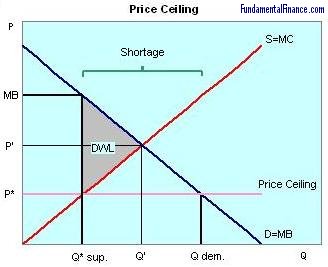
Price Ceilings Economics

Price Floor Definition Types Effect On Producers And Consumers
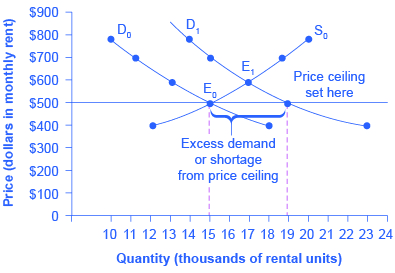
3 4 Price Ceilings And Price Floors Principles Of Economics

Everyone Disagrees What The Minimum Wage Should Be Most People Say They Cannot Get By On Minimum Wage The Government Introduces A Price Economics Economics 101 Minimum Wage
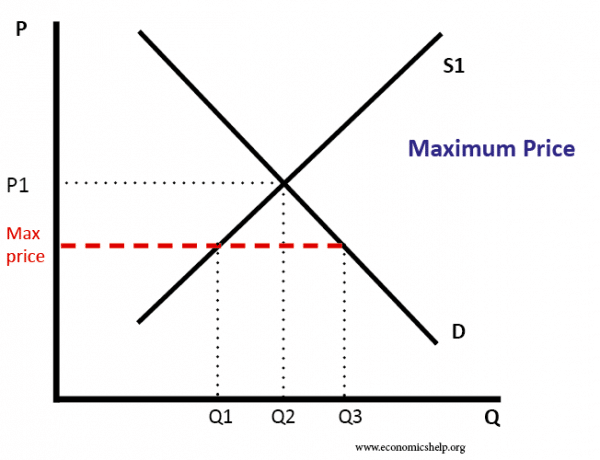
Price Controls Advantages And Disadvantages Economics Help

You Re The One Implicitly Claiming A Government Enforced Price Floor Helps Lower Income Workers You Re The One Implyi Irs Health Records Class Action Lawsuits
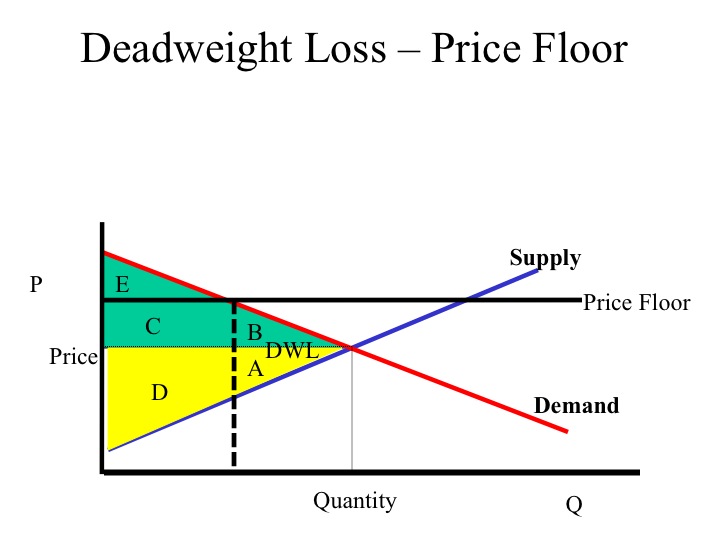
Econ 150 Microeconomics

Shifts In Supply And Demand Handout Economics Lessons Teaching Economics Business And Economics

Econ 2106 Microeconomics Chapter 4 Homework Flashcards Quizlet

What Is A Price Ceiling Examples Of Binding And Non Binding Price Ceilings Freeeconhelp Com Learning Economics Solved

Find The Right Loan For You Home Buying Tips Home Buying Buying First Home

Chapter 4 Price Ceilings And Price Floors Ppt Download
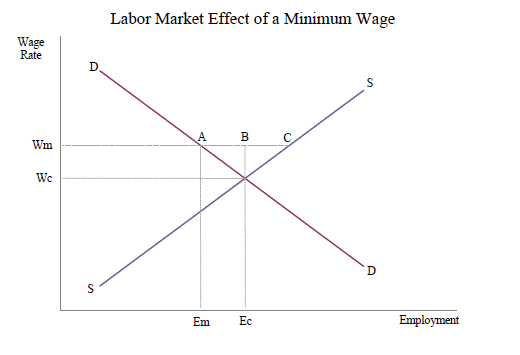
5 Reasons Raising The Minimum Wage Is Bad Public Policy American Experiment

