Degradation Process Of Ceramics
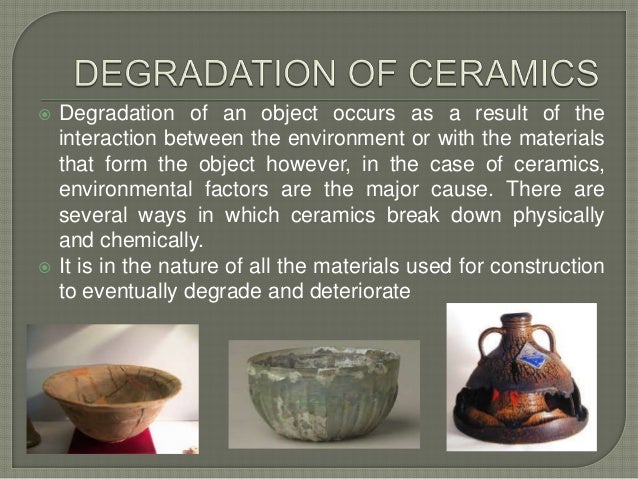
Degradation Of Ceramics

Conservation And Restoration Of Ceramic Objects Wikiwand
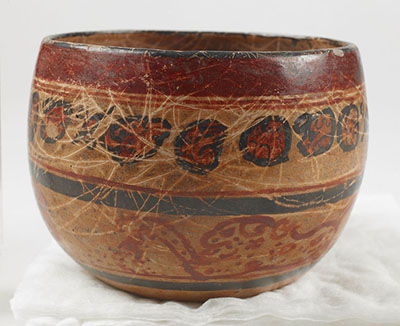
Caring For Ceramic And Glass Objects Preventive Conservation Guidelines For Collections Canada Ca

Preservation Self Assessment Program Psap Object Materials

Thermal Shock

Pdf Corrosion Of Ceramic Materials

In this report we will draw understanding to fatigue in materials with specific emphasis on ceramics what mechanisms and changes to material microstructure can occur to improve resistance to fatigue.
Degradation process of ceramics. This process is important and is used positively in the production of polymer precursor carbon and ceramic materials. Exposure to temperatures that are sufficient to cause bloating melting or vaporization can change it s form. Davidge in concise encyclopedia of advanced ceramic materials 1991. Degradation of an object occurs as a result of the interaction between the environment or with the materials that form the object however in the case of ceramics environmental factors are the major cause.
It is also important to add binders or plasticizers as well. Bloating is when ceramics turn to rice bubbles like in expanded clay balls used in aquaponics and hydroponics and may o. The degradation of ceramics as a result of the interaction between the environment or with the materials that form the object however in the case of ceramics environmental factors are the major cause. Therefore degradation can be understood as the effect of atmospheric agents on the ceramic bodies without crystallographic modification.
Ceramic engineering like many sciences evolved from a different discipline by today s standards. Ceramic may be used as a noun in the singular to refer to a ceramic material or the product of ceramic manufacture or as an adjective. The susceptibility of a polymer to thermal degradation is a function of the bond strength rodriguez 1970. Alterability is defined as the susceptibility of a ceramic body to suffer degradation.
Highly resistance to deterioration. Deterioration at high temperature or extreme environments corrosion. There are several ways in which ceramics break down physically and chemically. Most often pug mills are the preferred piece of machinery used in this step of the process when dealing with dry mixes.
The recent development programs on engineering ceramics for high temperature engine components have been based largely. Thermal shock in ceramics is of very wide significance in most applications involving high temperatures as well as for example the cooling of large components immediately after firing. May dissolve or absorb and swell when exposed to liquid solvents or deteriorate in the presence of uv and heat degradation. Mixing to obtain a more chemically and physically homogeneous material prior to forming the constituents of the ceramic powder are combined using the method of mixing or blunging.
It is in the nature of all the materials used for construction to eventually degrade and deteriorate.
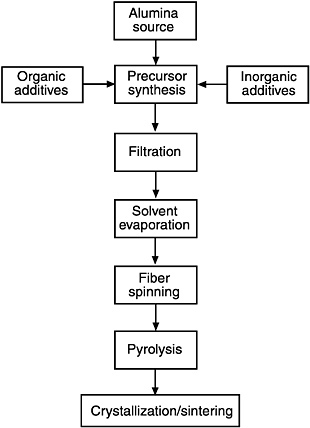
4 Ceramic Fiber Processing Ceramic Fibers And Coatings Advanced Materials For The Twenty First Century The National Academies Press

Main Features Of Ceramic Materials 53 Download Scientific Diagram
Chemical Design Of Mpp Capable Pdms A Mpp Capable Pdms Network N Download Scientific Diagram

Biphasic Calcium Phosphate Ceramics For Bone Reconstruction A Review Of Biological Response Sciencedirect

Additive Manufacturing Of Ceramic Based Materials Travitzky 2014 Advanced Engineering Materials Wiley Online Library

Ceramic Maintenance Why When And How Adam S Polishes
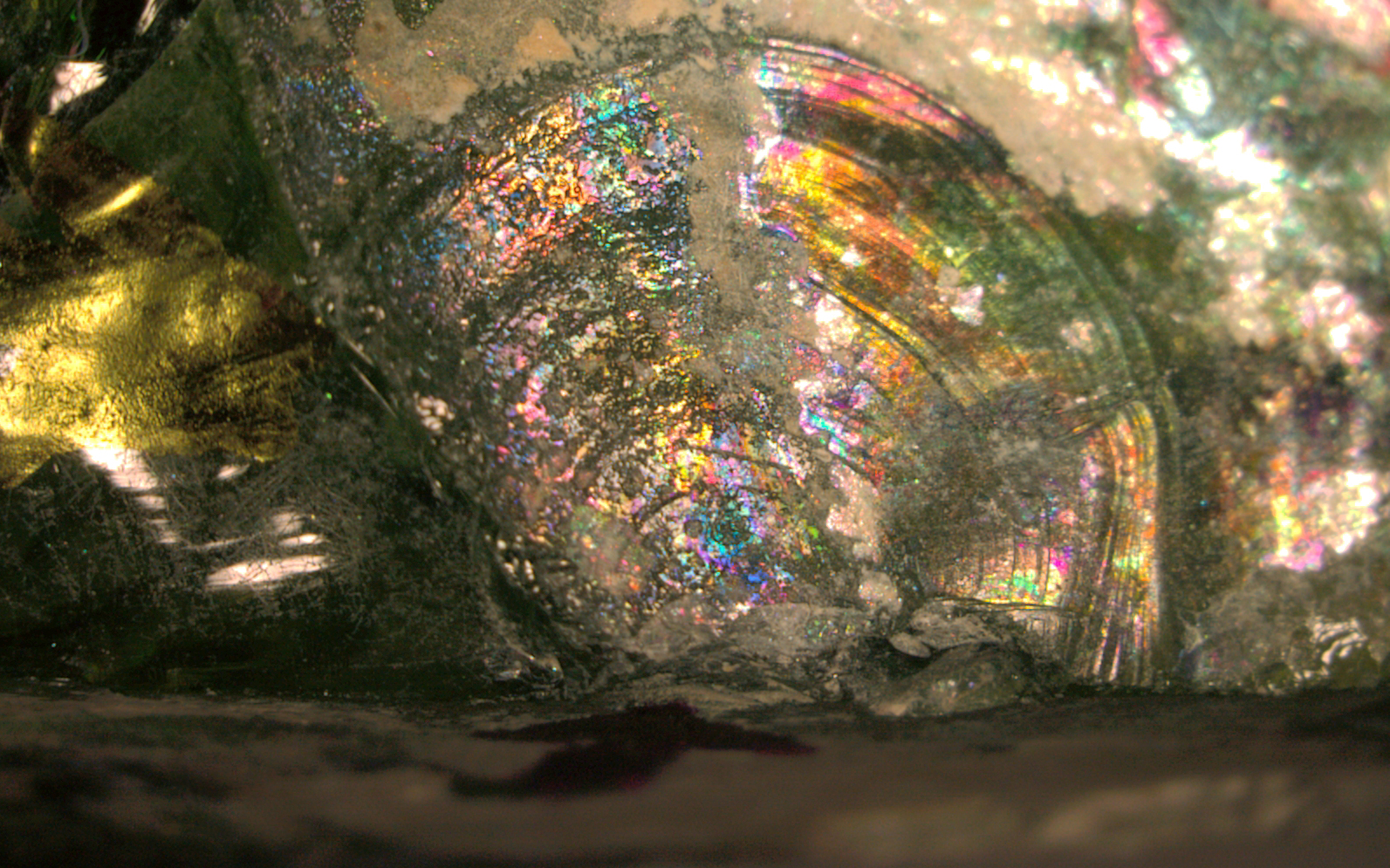
Ceramics Nist

Development Of Cuo Coated Ceramic Hollow Fiber Membrane For Peroxymonosulfate Activation A Highly Efficient Singlet Oxygen Dominated Oxidation Process For Bisphenol A Degradation Sciencedirect

Scattering Filling Coarse Aggregate Process Recycles Waste Concrete Better Advances In Engineering Wall Insulation Materials Recycled Concrete Ceramic Materials

Chinese Song Dynasty 960 1279 Hare S Fur Glaze Tea Bowl Tea Bowls Bowl Chinese Bowls

Ceramic Fiber An Overview Sciencedirect Topics

A Large Copper Red Splashed Junyao Bowl Yuan Dynasty 1279 1368 Chinese Pottery Chinese Ceramics Copper Red

Refractory Ceramics An Overview Sciencedirect Topics

