Definition Of Glaze Fire In Ceramics
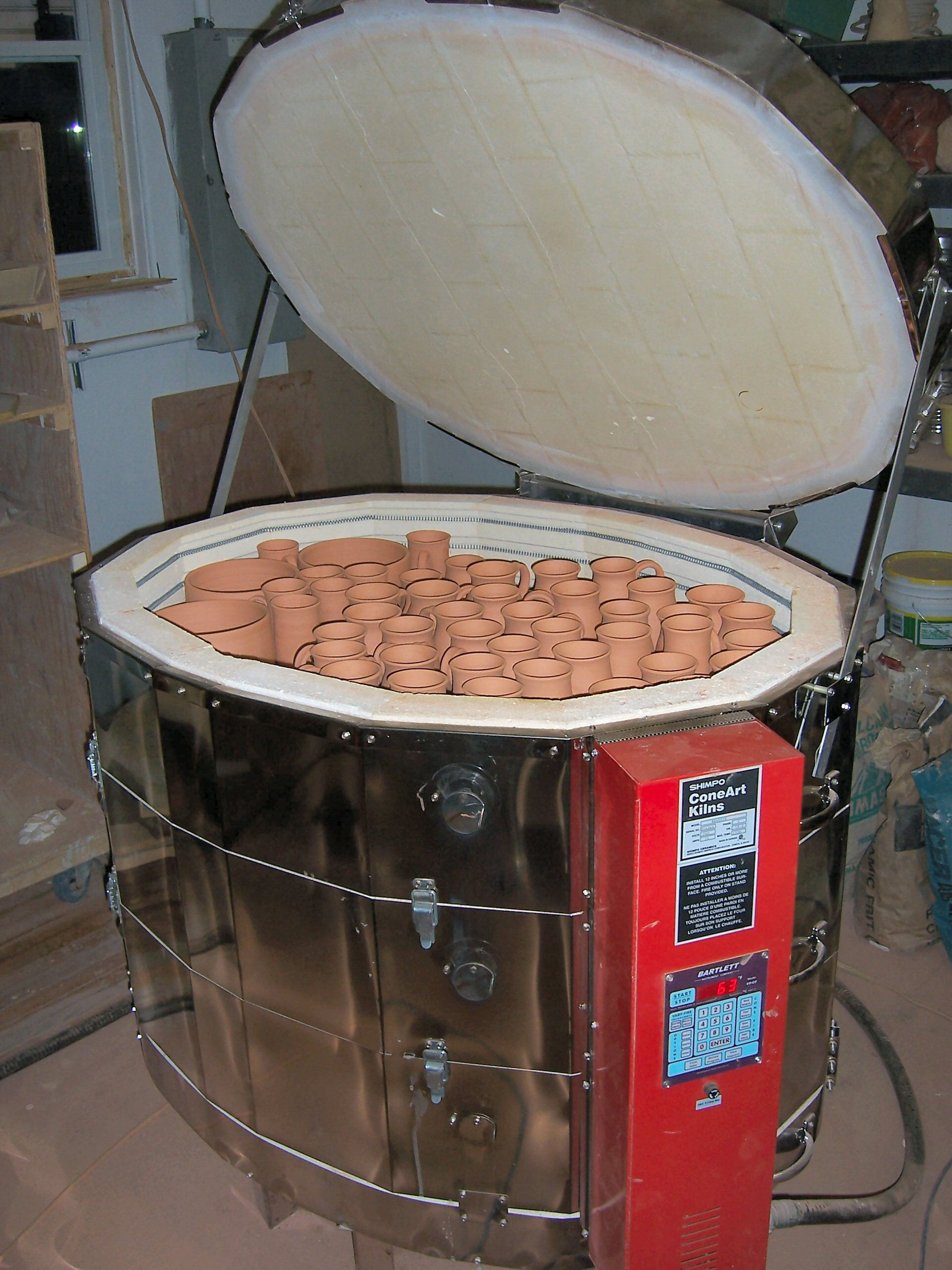
Glazing And Firing Pottery

Transparent Glazes
Glaze Blisters

Guide To Kiln Temperature Ranges For Pottery Soul Ceramics

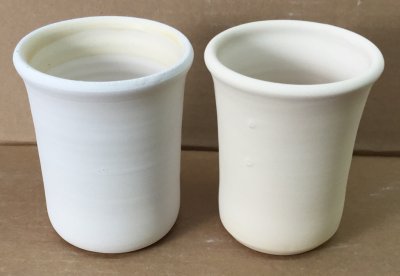
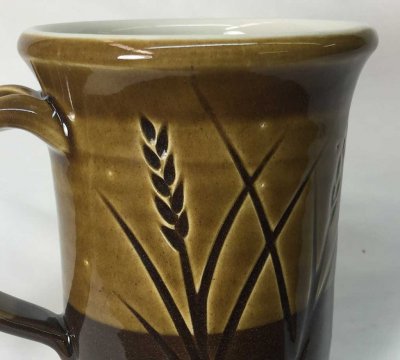
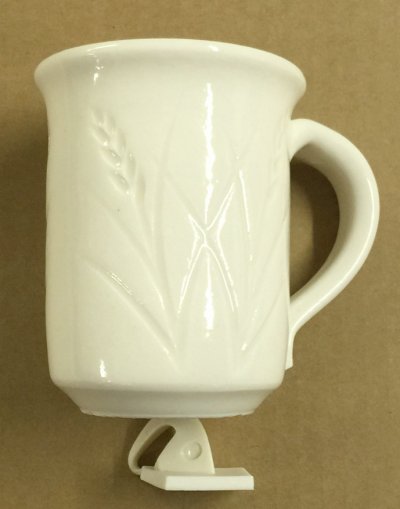
Before And After The Glaze Firing The Mug On The Left Is Glazed Exactly The Same As The Mug On The Right When Firing The Artisan Pottery Pottery Mugs Pottery

Duncan Ceramic Glazes

For success a potter must know the correct temperature range at which their glaze becomes mature.
Definition of glaze fire in ceramics. It also gives a tougher surface. The goal of bisque firing is to convert greenware to a durable semi vitrified porous stage where it can be safely handled during the glazing and decorating process. Firing clay from mud to ceramic. Fluid glazes can crystallize to a matte surface if cooled slowly or a glossy surface if cooled quickly.
If the temperature goes too high the glaze will become too melted and run off the surface of the pottery. To glaze a window. For earthenware such as fired clay pottery to hold liquid it needs a glaze. Glazes get their colors from a wide variety of mineral oxides.
If fired at too low a temperature the glaze will not mature. Ceramic work is typically fired twice. Ceramic glaze definition is a mixture of powdered materials that often includes a premelted glass made into a slip and applied to a ceramic body by spraying or dipping and capable of fusing to glassy coating when dried and fired. Glazes high in glass former sio 2 b 2 o 3 are glossy those high in al 2 o 3 tend to be matte.
Each ceramic glaze should be fired to a specific temperature range. Terms used in ceramics. It is bisque fired and then glaze fired. Many factors like the kind of kiln or the kind of clay you use impact the final result.
Glaze is also used on stoneware and porcelain. Using glazes requires a lot of experimentation and practice. Glossy glaze gloss refers to how shiny and light reflective a glaze is. Potters apply a layer of glaze to the bisqueware leave it to dry then load it in the kiln for its final step glaze firing.
Firing converts ceramic work from weak clay into a strong durable crystalline glasslike form. The firing of clay and glazes in which the kiln temperature reached is usually in the 8 up to 10 12 2316 2415 f range. Glazes can be applied with a brush or the entire piece can be carefully dipped into a glaze bath. Ceramic glaze is an impervious layer or coating applied to bisqueware to color decorate or waterproof an item.
Glazing renders earthenware vessels suitable for holding liquids sealing the inherent porosity of unglazed biscuit earthenware.

Drop And Soak Firing
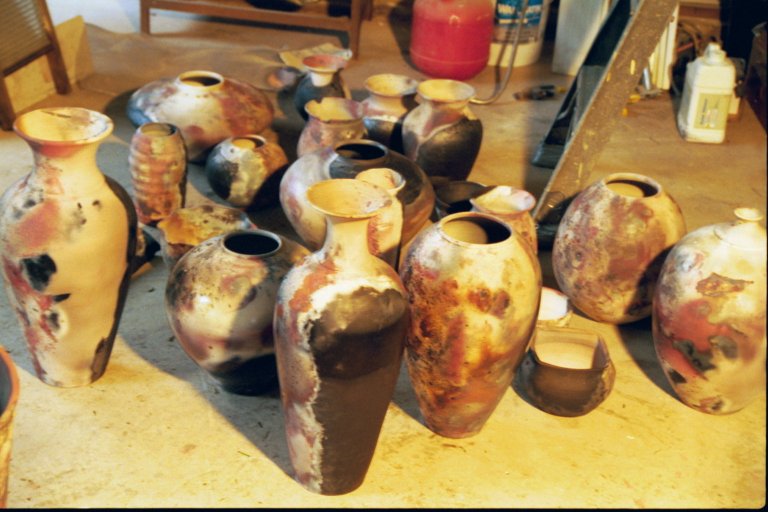
Pit Firing
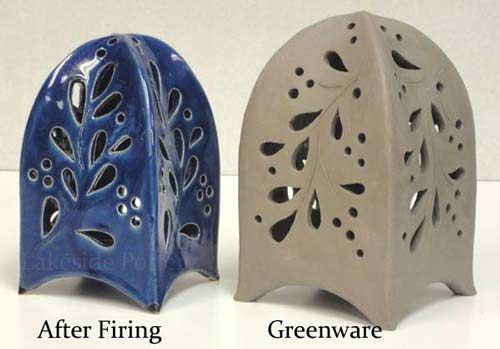
Clay Shrinkage During Drying And Firing Preventing Defects
Firing Schedule
Soaking

Firing What Happens To Ceramic Ware In A Firing Kiln
Salt Glaze Pottery Wikipedia

Firing And Glazing Ceramic Resin

Glazing And Firing Techniques Atmospheric Like Effects In An Electric Kiln Ceramic Arts Network Ceramic Glaze Recipes Glazes For Pottery Glaze Recipe

Screen Shot 2016 12 27 At 1 37 11 Pm Ceramic Glaze Recipes Glazes For Pottery Glaze Recipe

Small Fruit Bowl Glazed With Light Greens Of Early Spring All Food Safe Glazes Food Safe Glazes Fire Clay

Wood Fired Pottery Tater Knob Pottery Farm

Amaco Potter S Choice Layered Glazes Pc 45 Dark Green And Pc 27 Tourmaline Amaco Glazes Ceramic Glaze Recipes Pottery Glazes
:max_bytes(150000):strip_icc()/Credit-Flickr-Joshdeweese-59848fa9685fbe0011c148f1.jpg)
